
Welcome to Mindful Monday, where we bridge the gap between Second Language Acquisition research and the practical realities of both your classroom and your business. Each week, Leo and I share research-backed insights to help you sharpen your classroom teaching while building the freedom to work on your own terms.
See some of our resources here.
In partnership with: FLUENTIZE
Want to teach your best lessons – without all the prep?
Fluentize turns real-world videos into interactive ESL lessons for teens and adults. Explore 650+ ready-to-teach lessons designed to engage your students, simplify lesson planning, and save you hours of preparation.
Welcome to June! We’ve officially entered park season here in Toronto. We hope it’s as beautiful where you are.

In this week’s Mindful Monday, you’ll see:
-
New podcast episode with Amazy founder Kate Bodrova
-
Podcasting as a task type with a live class [and studio!]
-
Rethinking business English communication
Hope you enjoy this week’s edition.
🎙️ New podcast with Kate Bodrova
Kate shares some of the main challenges she faced when building Amazy, and how teachers can avoid them
“To build a company, it really requires time. At some point, there will be only you who still believes in the product – not your team, not your investors, nobody. You and yourself in the room and your laptop, and that’s it.”
We sit down with the founder of Amazy, Kate Bodrova.
Kate spent over 10 years as an ESL teacher and language school owner before founding AMAZY, a digital workspace for teachers and institutions to create interactive lessons, track student progress, and keep everything in one place. Backed by UCL EdTech Labs and recognized as Best EdTech Startup in Europe 2024, AMAZY is trusted by 20,000 users worldwide.
Watch here:
In this episode, we chat about:
-
Why looking at your competition is the ultimate trap, and how Kate found market proof on a crowded street filled with language schools.
-
How introducing a proactive, problem-solving method disrupted the traditional, rigid classroom structures of Eastern Europe.
-
The Ultimate “Mom Test” Fail: Why asking customers if they “like” your product is a hollow question, and the specific data you should be tracking instead.
-
Why seven years isn’t enough when building from scratch, and how to survive the brutal phase when you are the only one who believes in your product.
-
How chasing “false hopes” and trying to mirror another entrepreneur’s specific timeline will quietly kill your product.
-
How saying yes to a massive, multi-city corporate contract forced a 15x scale and triggered a painful but necessary mindset shift.
-
Why you should stop overthinking your idea at home and focus on the single true metric of business success: trying to sell it in the first 30 days.
Listen on Spotify here:
FOR MORE FROM KATE
We hope you enjoy the episode. Would love to hear your thoughts.
Subscribed to Teacher Talking Time?
It really helps the show grow and for us to bring you more episodes. If you’re not subscribed, please consider it.
Subscribe to Teacher Talking Time on YouTube here or on your preferred app.
Click the notification bell to be alerted when new episodes come out every 1st and 15th.
🎙️ Podcasting IS a task type after all
Leo and I have talked a lot about our stance that podcasting is a task type, and this term I’ve been lucky enough to implement a lot of my ideas into a project-based course for my current university-level EAP class.
Here’s a group in studio who recorded their episode last week – they were super nervous and excited!
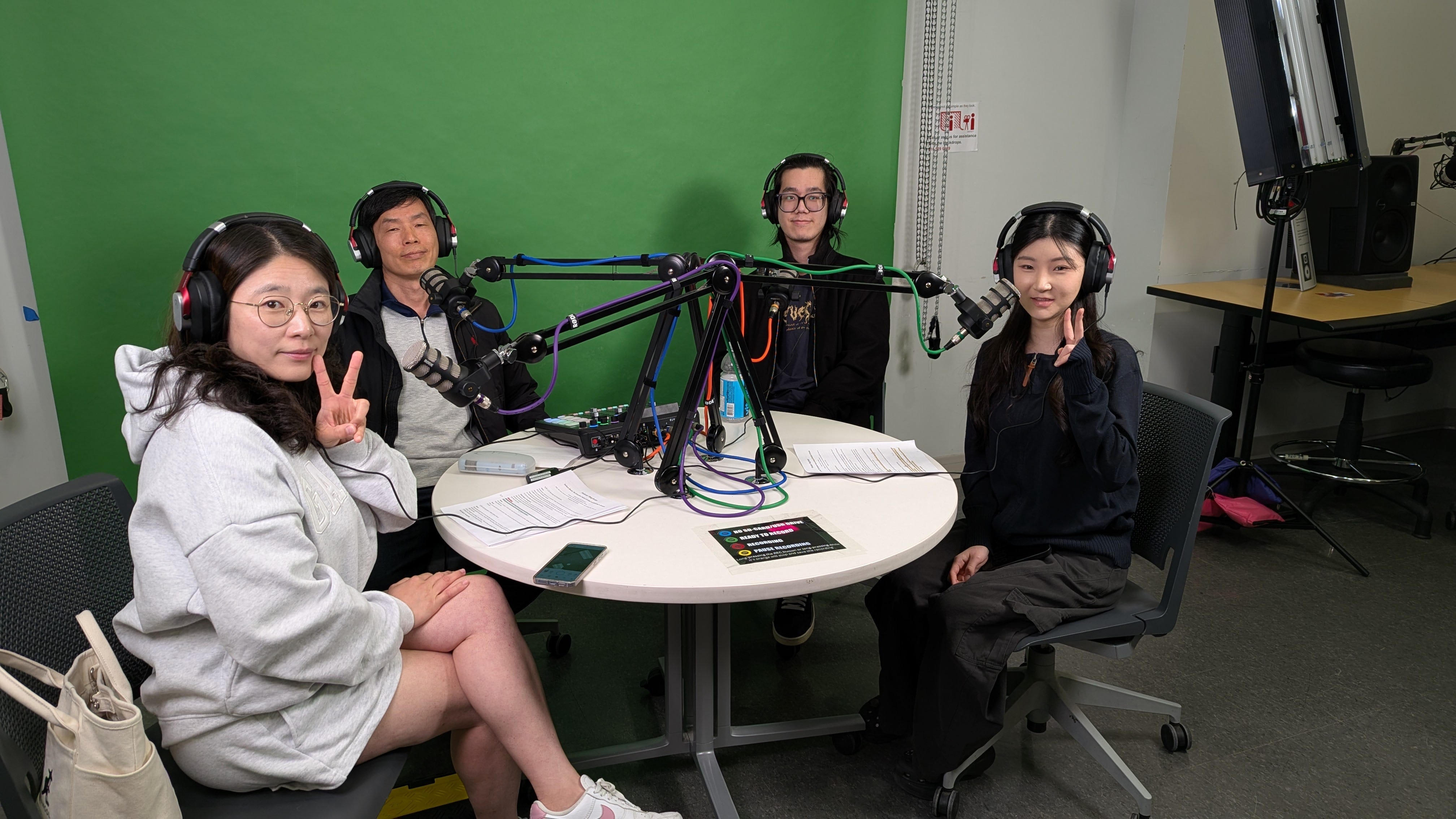
I recently discovered that the campus where I teach has a podcast studio which of course sparked this idea. I’ll be sharing much more about the experience when it’s over [we have 3 weeks left in the term], but I would say it’s going very well so far.
*The obvious elephant in the room is most institutions don’t have this kind of tech set up. But I argue that this can be done with a cell phone, too – fancy tech is not needed.
There are things I’d change, of course – and I haven’t seen the final product yet – but I’ve been pleased with the tasks the students have delivered thus far. The final product isn’t necessarily the goal, but the communicative tasks the students complete along the way.
This is what Leo and I have argued for multiple times via conference presentations: that the process of creating a podcast is a task type which is made up of smaller tasks along the way.
Briefly, I’ve divided the term into four steps:
-
Preparation
-
Recording
-
Post-production
-
Presentation & Reflection
I’m in the middle of step 2 right now and would be happy to answer any questions on how it’s going so far. When the course is over, I’ll likely put together an overview of this – or maybe we’ll even run a webinar about it as well.
One Actionable Step from this term:
Give students the autonomy to choose their own topic and scaffold how to implement it. Also, provide lots of time for each step and multiple opportunities to practice before recording.
The theory behind this:
If you haven’t attended one of our talks on podcasting as a task type, here’s a recording of our presentation at the TBLT Conference at the University of Groningen last year:
🎙️ Business English is not a thing?
“We’re working blindly very often in ELT. There has to be much more connection with the real world.” – Evan Frendo
Our interview with Evan Frendo back in March continues to make the rounds and is our most-listened-to episode in 2026.
Evan doesn’t pull any punches and he has a very honest look at the state of ELT in the business world. If you haven’t listened to this episode, catch it on our YouTube channel here.
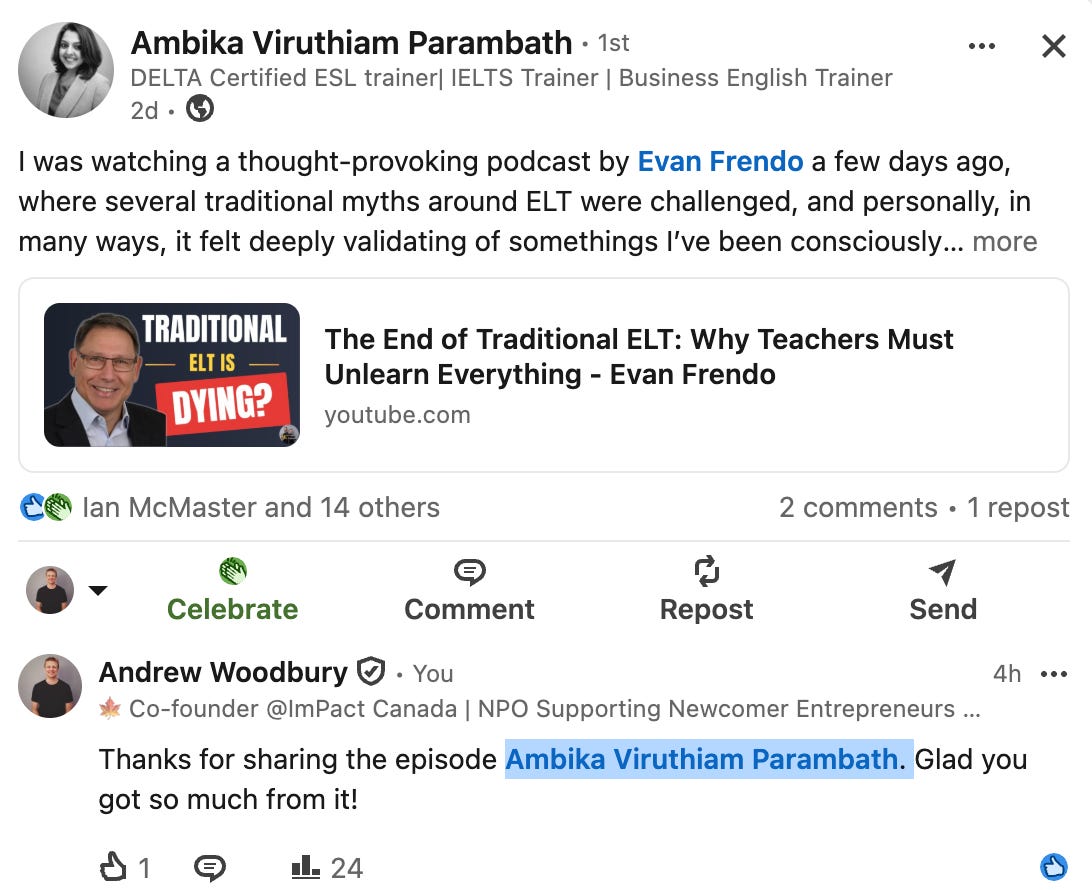
Ambika Viruthiam Parambath recently shared her reflections on what Evan said on LinkedIn which is definitely worth reading (linked here):
Here’s an excerpt of our conversation with Evan where he highlights the gaps that exist between real-world business communication and ELT business communication:
That’s all for this edition. Talk next Monday,
Leo and Andrew
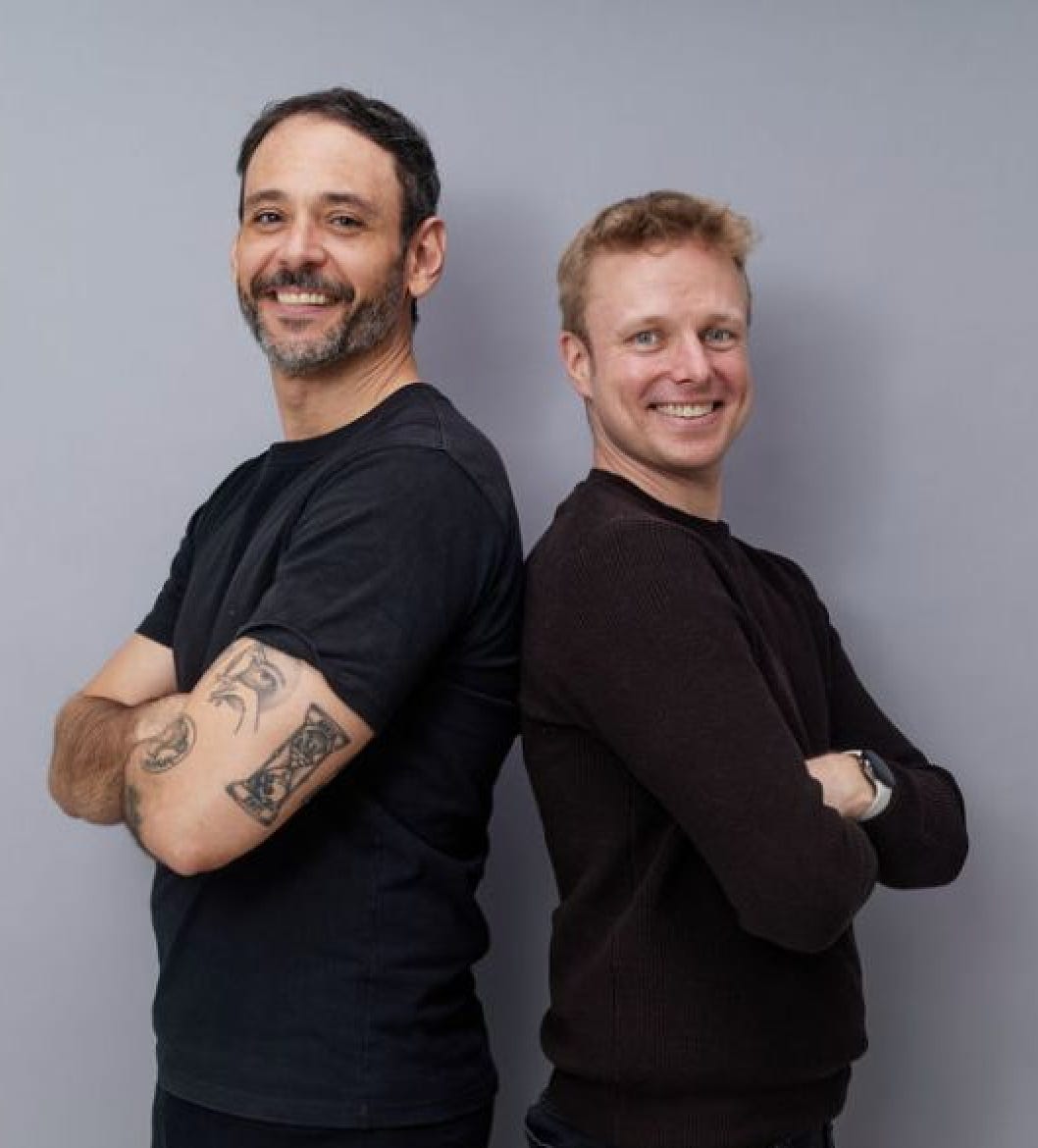
Want to grab a coffee and strategize the next step of your business?
Book a free 1:1 with us by replying to this email.
If you enjoyed this, the best compliment we could receive would be if you shared it with one person or restacked it on Substack.